Insight Playbook
AI presentation tools in 2026 range from full-deck generators that build slides from a single prompt (Gamma, Tome) to AI-assisted design platforms that enhance your existing workflow (Canva AI, Beautiful.ai).
15 articles. Refine by sector, difficulty, or impact.
Adobe Express is a capable quick-design tool, but its template library, export options, and free tier all have notable limits — especially once you outgrow basic social media graphics.
AI photo enhancement in 2026 ranges from free browser-based tools to professional desktop software costing hundreds of dollars per year.
AI marketing tools in 2026 cover six core areas: content creation (Jasper, Copy.ai), SEO (Surfer SEO, SEMrush), email marketing (Mailchimp AI), social media (Hootsuite AI), ad creative (AdCreative.ai), and sales outreach (Instantly.ai, Apollo.io).
AI audio tools in 2026 span four main categories: voice synthesis (ElevenLabs, Murf, Play.ht), music generation (Suno, Udio, AIVA), audio editing (Descript, Vocal Remover), and noise cancellation (Krisp).
AI education and research tools in 2026 solve four key problems: finding and synthesizing academic papers, learning new subjects adaptively, improving academic writing, and solving STEM problems step-by-step.
AI business tools in 2026 span five key categories: note-taking & docs, meetings & transcription, presentations, scheduling, and workflow automation.
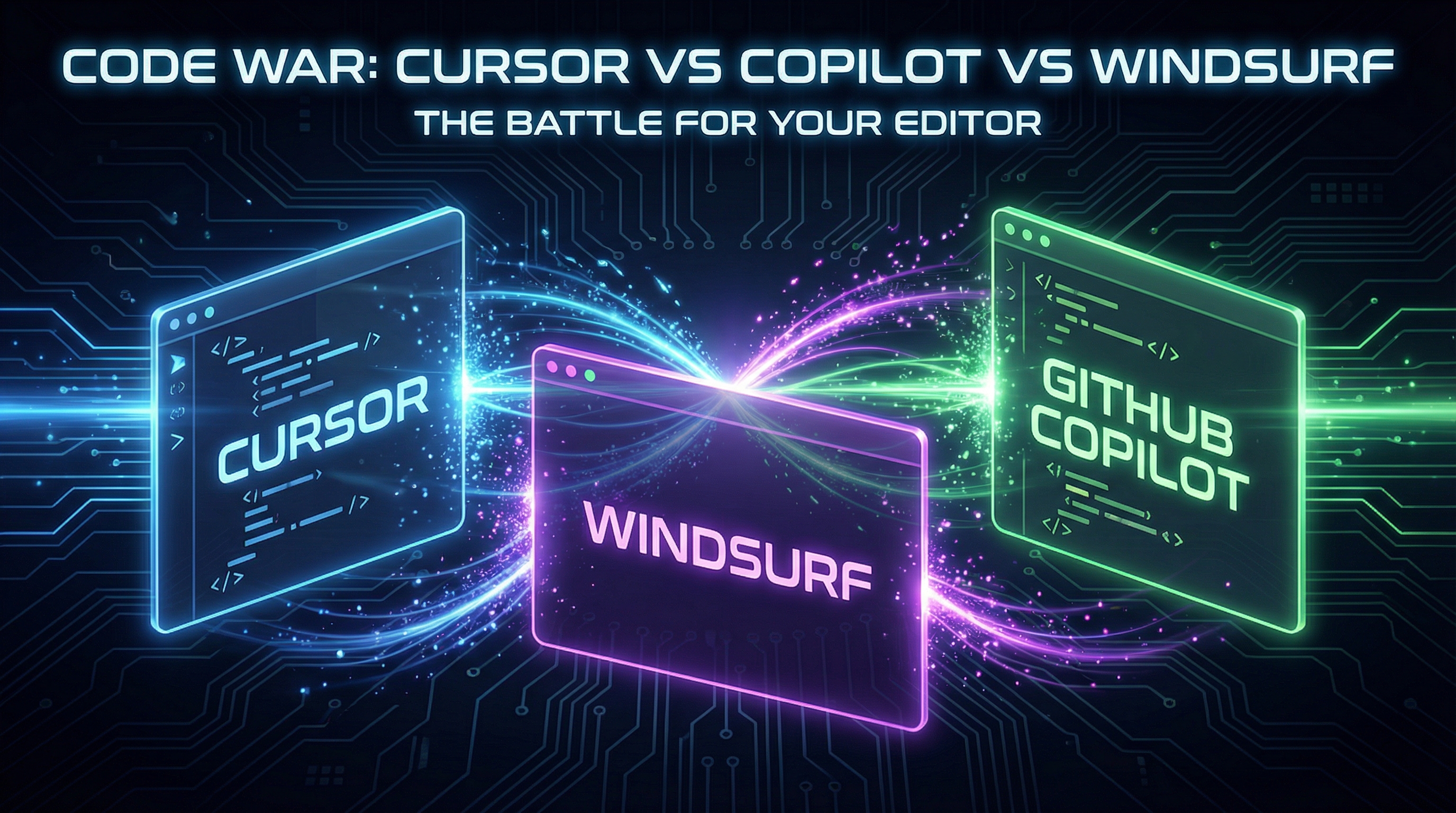
The AI code editor market in 2026 has three serious contenders: Cursor (the innovation leader), GitHub Copilot (the enterprise standard), and Windsurf (the value challenger).
Midjourney produces stunning images, but its Discord-only workflow, $10/mo minimum, and limited editing controls push many users to look elsewhere.
ChatGPT is no longer the only game in town. In 2026, serious competitors offer better reasoning, cheaper pricing, stronger privacy, or open-source freedom.
AI video generation in 2026 has split into three distinct categories: text-to-video generators (Sora, Runway, Kling, Pika), AI-powered video editors (Descript, InVideo AI), and AI avatar/presenter platforms (HeyGen, Synthesia).
AI writing tools in 2026 range from general-purpose chatbots (ChatGPT, Claude) to specialized platforms for marketing copy (Jasper, Copy.ai), grammar correction (Grammarly, QuillBot), and creative fiction (Sudowrite).
AI coding tools in 2026 fall into two camps: code editors that help you write code faster (Cursor, Copilot, Windsurf), and app generators that build entire projects from prompts (v0, Bolt.new, Lovable).